Understanding Everyday Efficiency in Nutrition and Body Weight
An independent educational resource exploring the scientific principles of energy balance, nutritional habits, and metabolic processes in daily life.
Educational content only. No medical services. No promises of outcomes.
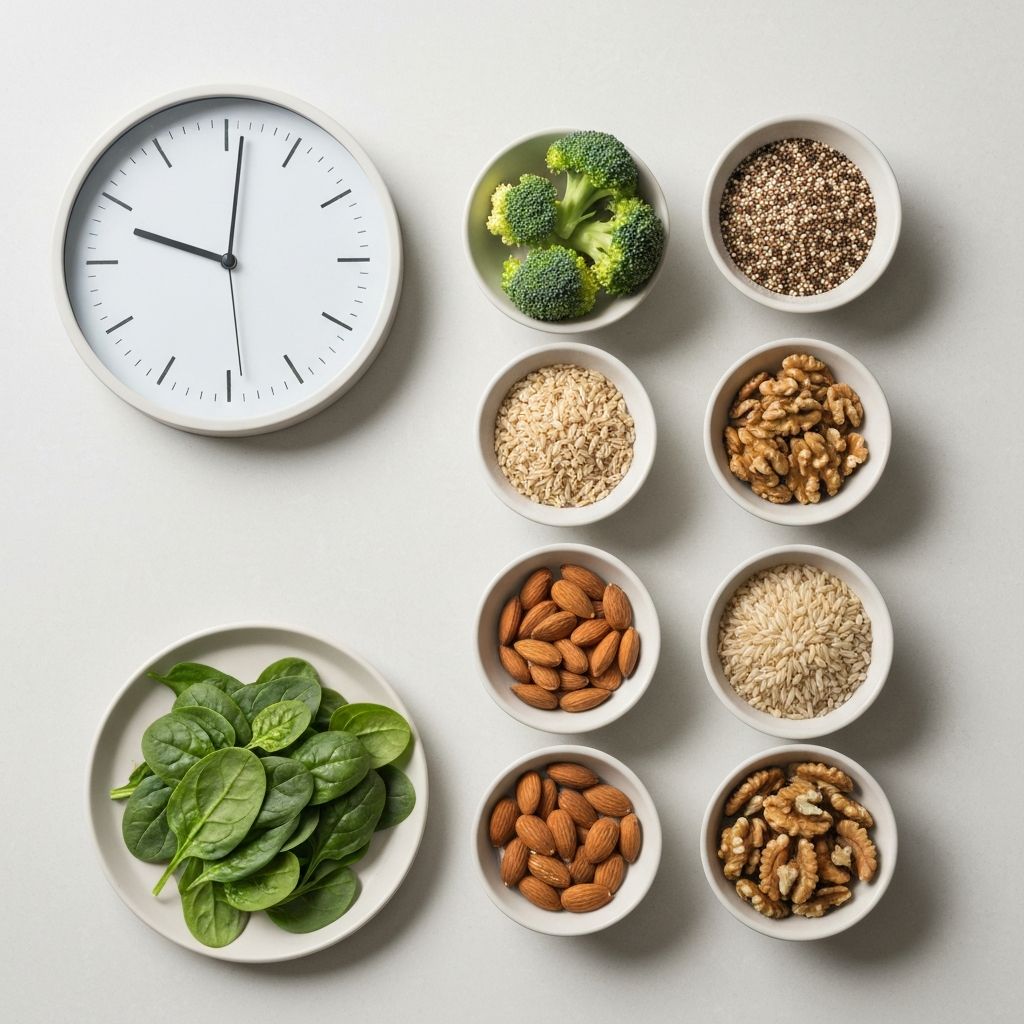
Energy Efficiency in the Body
Understanding how the human body processes and utilizes energy from food.
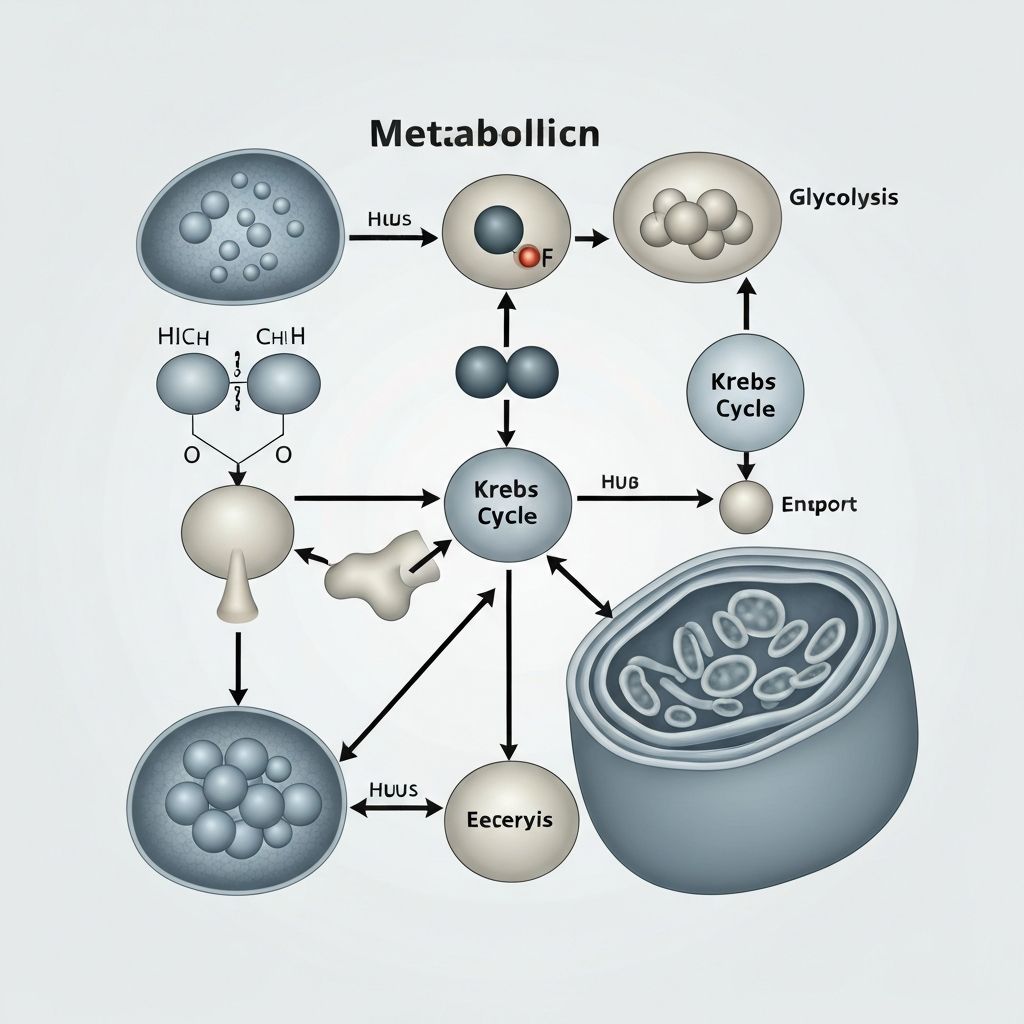
The Basics of Energy Balance
The human body operates as a complex biological system that converts nutrients from food into energy. This process, known as metabolism, involves numerous biochemical reactions that sustain life, growth, and physical activity.
Energy balance refers to the relationship between energy consumed through food and beverages, and energy expended through basal metabolic rate, physical activity, and thermogenesis. When these are in equilibrium, body weight tends to remain stable over time.
Metabolic Processes
The body's metabolic rate is influenced by various factors including age, sex, body composition, genetic factors, and environmental conditions. Basal metabolic rate accounts for the energy required for essential physiological functions such as breathing, circulation, and cellular processes.
Understanding these fundamental principles provides context for how everyday nutritional choices interact with the body's energy management systems.
Nutrients in Everyday Meals
Exploring the macronutrients and micronutrients found in common foods.

Macronutrients Overview
Foods contain three primary macronutrients: carbohydrates, proteins, and fats. Each plays distinct roles in bodily functions and provides different amounts of energy per gram.
Carbohydrates serve as a primary energy source, particularly for the brain and during physical activity. They are found in grains, fruits, vegetables, and legumes. Proteins are essential for tissue repair, immune function, and enzyme production. Dietary fats support hormone production, nutrient absorption, and cellular structure.
| Food Category | Primary Nutrients | Common Examples | Energy Density |
|---|---|---|---|
| Vegetables | Vitamins, Minerals, Fibre | Broccoli, Spinach, Carrots | Low |
| Whole Grains | Carbohydrates, Fibre, B Vitamins | Oats, Brown Rice, Quinoa | Moderate |
| Legumes | Protein, Fibre, Iron | Lentils, Chickpeas, Beans | Moderate |
| Nuts and Seeds | Healthy Fats, Protein, Minerals | Almonds, Walnuts, Chia Seeds | High |
| Fruits | Vitamins, Antioxidants, Fibre | Apples, Berries, Oranges | Low to Moderate |
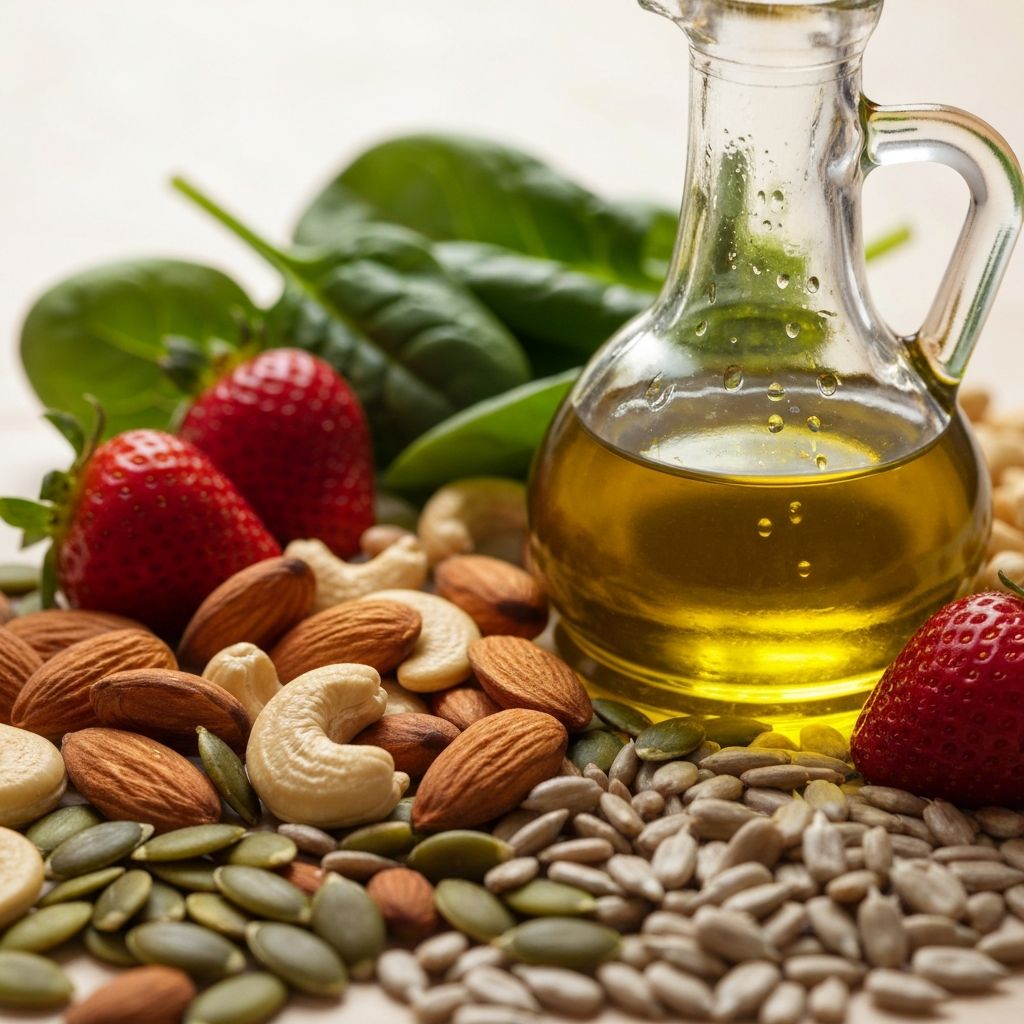
Micronutrients and Their Functions
Vitamins and minerals, though required in smaller quantities, are crucial for maintaining health. These micronutrients support immune function, bone health, energy production, and numerous other physiological processes.
A varied diet that includes different food groups typically provides adequate micronutrients. Whole foods often contain combinations of nutrients that work synergistically in the body.
Efficiency Myths in Nutrition
Examining common misconceptions about food and energy.
Myth: All Calories Are Equal
While energy balance is fundamental, the source of calories matters for overall health. Different foods trigger different metabolic responses, affect satiety differently, and provide varying amounts of essential nutrients. A calorie from whole foods like vegetables differs in nutritional quality from a calorie from processed foods.
Myth: Eating Late Causes Automatic Changes
The timing of meals has been extensively studied. Research suggests that total daily energy intake and expenditure over time are more significant factors than specific meal timing. However, meal timing can influence hunger patterns, sleep quality, and metabolic regulation in complex ways that vary among individuals.
Myth: Certain Foods Have Negative Energy
No foods require more energy to digest than they provide. While some foods like celery are very low in calories, the concept of negative-calorie foods is not supported by scientific evidence. All foods provide net energy to the body after accounting for digestive processes.
Understanding Efficiency in Context
Nutritional efficiency relates to how the body processes different nutrients, not to achieving specific outcomes. Individual variations in metabolism, genetics, lifestyle, and environmental factors mean that nutritional responses differ significantly between people.
Routine and Metabolic Processes
How regular patterns influence physiological functions.

Circadian Rhythms and Metabolism
The body operates on approximately 24-hour cycles called circadian rhythms, which influence hormone production, body temperature, and metabolic processes. These biological clocks affect how the body processes nutrients at different times of day.
Regular eating patterns may help synchronize these rhythms, potentially influencing metabolic efficiency. However, optimal timing varies based on individual schedules, work patterns, and personal factors.
Sleep and Energy Regulation
Sleep plays a crucial role in metabolic health. During sleep, the body conducts repair processes, regulates hormones that influence hunger and satiety, and consolidates memories. Insufficient sleep has been associated with changes in appetite-regulating hormones and energy expenditure patterns.
Physical Activity Patterns
Regular physical movement contributes to overall energy expenditure and influences metabolic health. Activity can range from structured exercise to everyday movements like walking, climbing stairs, or household tasks. The cumulative effect of daily activity contributes to total energy expenditure.
Whole Foods in Daily Use
The role of minimally processed foods in nutrition.

Characteristics of Whole Foods
Whole foods are those that remain close to their natural state with minimal processing. Examples include fresh fruits and vegetables, whole grains, legumes, nuts, seeds, and unprocessed proteins. These foods typically retain their natural nutrient content, including vitamins, minerals, and fibre.
Nutritional Density
Nutrient density refers to the amount of beneficial nutrients relative to the energy content of a food. Whole foods generally provide higher nutrient density, offering more vitamins, minerals, and phytonutrients per calorie compared to heavily processed alternatives.
Practical Considerations
Incorporating whole foods into daily meals can be approached in various ways depending on individual preferences, cultural traditions, and practical constraints. Access to fresh produce, cooking facilities, time availability, and food preferences all influence food choices.
Food preparation methods also affect nutrient retention. Steaming, roasting, and raw consumption typically preserve more nutrients than prolonged boiling or high-heat processing.
Simple Movement Patterns
Understanding everyday physical activity.

Non-Exercise Activity Thermogenesis
NEAT refers to energy expended through daily activities outside of formal exercise, sleeping, or eating. This includes activities like walking, standing, fidgeting, and occupational tasks. NEAT can vary significantly between individuals and contributes substantially to total daily energy expenditure.
Everyday Movement Opportunities
Daily life presents numerous opportunities for movement: taking stairs instead of lifts, walking for errands, standing while working, gardening, housework, and active hobbies. The cumulative effect of these activities over time contributes to overall physical activity levels.
Movement and Health Markers
Regular physical activity is associated with various health markers including cardiovascular function, bone density, muscle maintenance, and metabolic health. Different types of movement offer different benefits, from aerobic activities to resistance training and flexibility work.
Individual capacity and preferences vary widely. What constitutes appropriate activity levels depends on current fitness, health status, age, and personal circumstances.
Hydration Efficiency
The role of water in bodily functions.

Water in the Body
Water comprises approximately 60% of body weight in adults and is essential for virtually all physiological processes. It serves as a medium for biochemical reactions, transports nutrients and waste products, regulates body temperature, and maintains blood volume.
Hydration and Metabolism
Adequate hydration supports metabolic processes. Water is involved in the breakdown of food molecules, transport of nutrients to cells, and removal of metabolic waste products. Even mild dehydration can affect cognitive function, physical performance, and overall wellbeing.
Sources of Hydration
While plain water is the most straightforward source of hydration, fluids are obtained from various sources including beverages like tea and coffee, as well as water-rich foods such as fruits and vegetables. Cucumbers, tomatoes, watermelon, and leafy greens contain significant water content.
Individual Hydration Needs
Fluid requirements vary based on factors including climate, physical activity levels, body size, and individual physiology. Thirst is generally a reliable indicator of hydration needs for most people under normal circumstances. Urine colour can also provide a general indication of hydration status.
Frequently Asked Questions
What is energy balance?
Energy balance refers to the relationship between energy consumed through food and beverages, and energy expended through metabolic processes and physical activity. When energy intake equals energy expenditure over time, weight tends to remain stable. This is a fundamental principle in understanding body weight regulation.
How do macronutrients differ in their functions?
Carbohydrates primarily provide energy for bodily functions and physical activity. Proteins are essential for building and repairing tissues, producing enzymes and hormones, and supporting immune function. Fats provide concentrated energy, support cell structure, enable absorption of fat-soluble vitamins, and are involved in hormone production. Each macronutrient plays unique and important roles in health.
Does meal timing significantly affect metabolism?
Research on meal timing shows mixed results. While some studies suggest potential benefits of certain eating patterns, total energy intake and expenditure over time appear to be more significant factors in energy balance. Meal timing may influence hunger patterns, sleep quality, and metabolic regulation, but effects vary considerably between individuals based on lifestyle, schedule, and personal factors.
What makes whole foods nutritionally different from processed foods?
Whole foods typically retain their natural nutrient content including vitamins, minerals, fibre, and phytonutrients. Processing often removes or reduces these beneficial components while sometimes adding salt, sugar, or fats. Whole foods generally provide higher nutrient density, meaning more beneficial nutrients relative to their energy content.
How much water should a person consume daily?
Fluid needs vary significantly based on individual factors including body size, climate, physical activity level, and overall health. Thirst is generally a reliable indicator for most people. As a general reference, many health organizations suggest around 2 to 3 litres daily for adults, but individual requirements may be higher or lower. This includes water from all sources including food and beverages.
Limitations and Context
The information presented on this website is educational in nature and describes general scientific principles. It is not intended as nutritional advice, medical guidance, or personal recommendations.
Individual nutritional needs, health conditions, and appropriate dietary approaches vary greatly. Decisions about nutrition, physical activity, and health should be made in consultation with qualified healthcare professionals who can assess individual circumstances.
This resource does not replace professional consultation and makes no claims about specific outcomes or results from any particular approach to nutrition or lifestyle.
Explore More Educational Content
Continue reading to discover additional information about nutritional science, energy balance, and everyday habits.
Learn More About This ResourceGet in Touch
Questions about the educational content? Contact us below.